
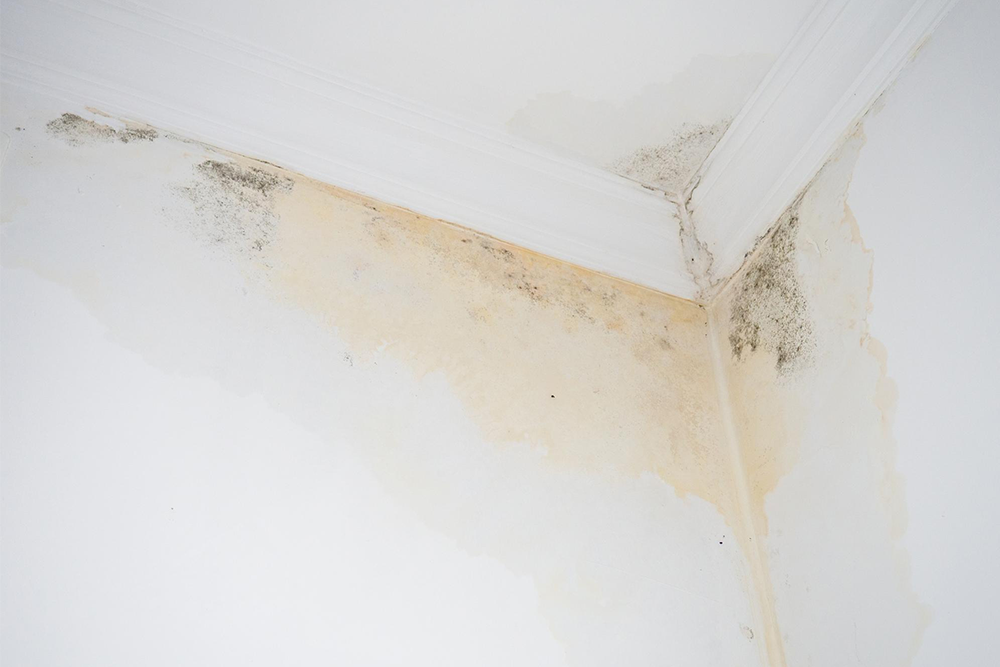
If you stay in Singapore long enough, especially in a HDB flat or older condo, you’ll eventually look up one day and notice that faint yellow patch on the ceiling. At first, it looks harmless and resembles maybe like just a bit of dirt, but eventually when it slowly spreads and paint start to bubble slightly, sometimes forming a light brown ring around it. Immediately, the worst thought comes to mind: “Wah… need to hack the toilet upstairs already?”
Before you panic and start budgeting five-figure renovation costs, take a breath. Most yellow ceiling stains can actually be resolved without hacking and without full waterproofing replacement if you are able diagnose it correctly and deal with it with the respective remedies.
After dealing with many such cases locally, hacking is often the last solution, not the first. This article explores the options we can take to remedy such situations without any hacking involved.
Why Yellow Ceiling Stains Happen in Singapore Homes
In Singapore’s humid climate, moisture is everywhere. Coupled with daily showers, floor washing, and ageing sealants, it creates the perfect environment for ceiling stains. Here are the most common causes often encountered:
1. Failed Silicone Sealant (Most Common)
Over time, the silicone sealant around shower kerbs, glass shower screens, toilet floor edges and floor trap perimeters starts to shrink, crack or detach. Water seeps through these small gaps when someone showers. It doesn’t flood immediately, instead it slowly penetrates through slab joints and shows up downstairs as a yellow patch. The waterproofing membrane underneath might still be intact. It’s just surface water bypassing weak sealant lines. And that’s good news because sealant replacement is simple and affordable.
2. Tile Grout Deterioration
In older HDB flats (especially 20–30 years old), the tile grout becomes powdery. You can literally scratch it out with your fingernail. Grout is not waterproof and many people don’t realise that. When grout becomes porous, water seeps through daily. Over time, moisture accumulates in the concrete slab. That moisture then oxidises iron particles inside the slab, creating the yellow or brown staining effect below. This doesn’t mean waterproofing has failed, but instead means that water is constantly feeding the slab. The solution to this is actually to re-grout and applying a penetrating waterproofing sealer without any hacking required.
3. Hairline Cracks at Pipe Penetrations
Hairline cracks can form around the areas surrounding floor traps or concealed pipes. In many condos and HDBs, especially those with floor trap relocation during renovation, the joint between the pipe and slab becomes a weak point. During heavy shower use, water flows toward that area. If the joint isn’t sealed properly, seepage occurs. The repair method is quite straight-forward. Removing the surrounding sealant and apply PU injection (if necessary) or we can reinstate the waterproof seal without involving any hacking.
4. Condensation (Not Even a Leak)
Sometimes the yellow patch is not even a leak at all. In air-conditioned bedrooms below a toilet, condensation can form on the slab due to temperature difference. Over time, trapped moisture discolours the paint, hence contributing to the yellow stains over time. In such cases, you will not notice any active dripping and the stains often dries up during hot weather, without any expansion in size. This is caused by an issue in poor ventilation and is not a waterproofing failure.
When Do You Actually Need Hacking?
There are cases where hacking is definitely required. But they are usually more obvious and serious cases:
- Active dripping during shower use
- Ceiling plaster falling off
- Persistent wet patches that don’t dry
- Water meter pressure test failure
- Severe membrane breakdown in very old toilets (30+ years)
But from statistics, about 60–70% of yellow stain cases can be resolved without hacking when diagnosed properly and accurately. The problem is many contractors often jump straight to hacking because it’s the most straightforward (and expensive) option.
One such example is a homeowner engaged a waterproofing contractor because her common toilet was leaking into the kitchen below. The upstairs neighbour insisted on hacking without properly diagnosing the issue. But when the waterproofing technician went for the site inspection, they realized that the sealant around shower screen was detached and the grout lines were hollow, without any active water dripping. They came to a conclusion that hacking was not actually required and re-doing all perimeter sealants, re-grouted the shower area and applying nano-waterproof sealer is sufficient to resolve the issue. This remedy fixed the issue without any recurrence in 6 months. This goes to prove that hacking is not always required and the homeowner is able to save on the unnecessary cost of hacking which is much more than the remedy proposed.
The Correct Way to Diagnose
Before deciding on any approach or remedies to the water leakage issue, proper checks should be done.
- Visual inspection of sealants and grout
- Water ponding test
- Controlled shower test
- Moisture meter reading
- Pressure test (if suspect pipe leak)
If your contractor doesn’t perform basic testing and immediately suggests hacking, you should be cautious. Waterproofing membrane failure is not the default explanation.
What Is “No Hacking Waterproofing”?
It usually involves surface-level corrective methods:
- High-quality silicone resealing
- PU injection at cracks
- Re-grouting
- Nano waterproofing application
- Internal joint sealing
- Angle fillet reinforcement at weak corners
These methods work because most leaks are entry-point problems, not the actual waterproofing membrane problems. The membrane below tiles is often still functioning, but just the detailing above that fails first.
The stains look serious because water spreads. When moisture enters the slab, it doesn’t drip straight down. It travels sideways along reinforcement bars before showing up below. That’s why the stain sometimes appears away from the actual leak point. The yellow colour comes from rust oxidation inside concrete. It looks dramatic and serious, but it doesn’t automatically mean structural damage.
After the correct remedy, let the ceiling dry full for about 2-4 weeks. Scrap the loose paint off, apply stain blocker primer and repaint. If you repaint without stopping the leak, the yellow stains will eventually come back. But once the moisture source is eliminated properly, the stain will not return.
Why Singapore Homes Are Prone to This
There are a few factors that often contribute directly or a combination of them:
- Daily hot showers
- Poor ventilation in older HDB bathrooms
- Heavy rain increasing ambient humidity
- Renovations that disturb original waterproofing
- Glass shower screen installations that damage sealant lines
In newer BTO flats, there are also cases where leaks are caused by improper tiling workmanship during renovation. So it’s not always about age, but rather about the detailing quality.
Conclusion
Yellow ceiling stains may look scary. In Singapore property context, they immediately trigger stress about neighbour disputes, hacking noise, MCST approvals, and big bills. But in many cases, the issue is surface-level and repairable without touching tiles.
The key is proper diagnosis and understanding how water actually travels through slabs. Most leaks don’t start from the membrane failing. They start from small neglected details such as cracked sealant, porous grout or poor edge finishing.
Fixing the entry point directly allows you to fix the problem without any hacking involved. Hacking should often be the last solution and not the first.