Waterproofing is not optional, but survival. With Singapore’s year-round humidity, sudden heavy downpours, and intense sun exposure, buildings take a constant beating. Whether you live in an HDB flat, condo, or landed property, waterproofing failure is one of the most common and stressful issues homeowners face.
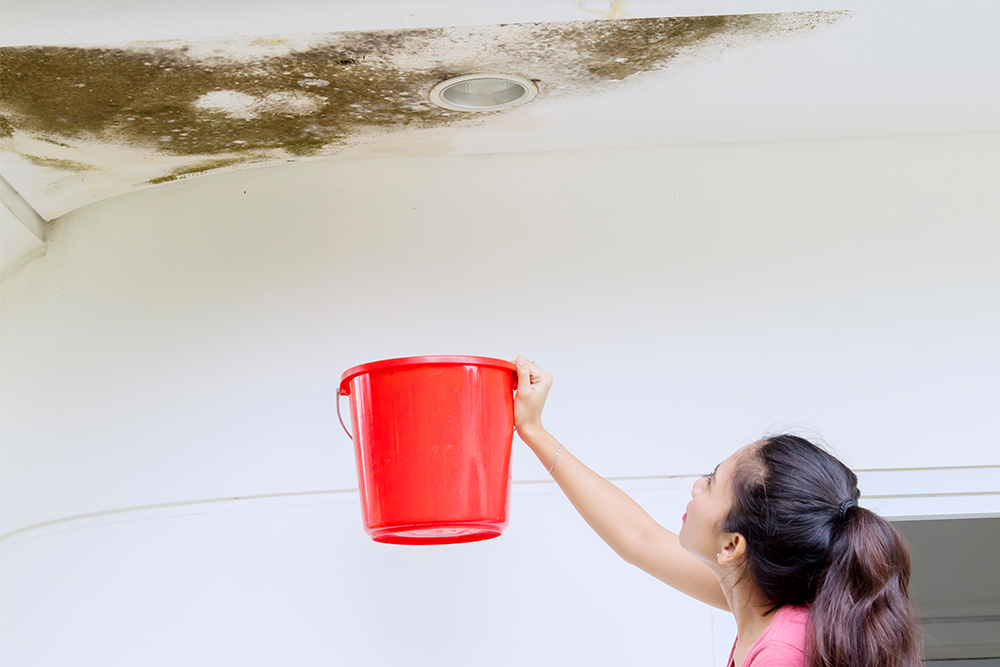
If you’ve ever noticed brown water stains on your ceiling, bubbling paint near your window frame, or damp patches in your bathroom, you will understand the panic that sets in. And that’s usually when we go online to search for answers and solutions. Before you hire the first company that promises “guaranteed leak stop,” here’s what you really need to know.
Understand the Type of Waterproofing Problem You Have
Not all leaks are the same. A leaking ceiling below a bathroom is very different from water seepage through an external wall. A roof gutter overflow is an entirely different problem from a cracked toilet floor slab. In Singapore homes, common waterproofing issues include:
- Bathroom floor slab seepage
- Balcony ponding water
- Roof gutter overflow and choke
- Window frame joint leakage
- Pipe penetration leaks
- Failed membrane on flat roofs
Each problem requires a different solution. For example, some contractors will recommend PU injection grouting for almost everything. While PU injection works well for active cracks or joint leaks, it is not a replacement for failed membrane systems in large exposed areas. A good contractor should inspect carefully and explain these few factors before recommending the most suitable repair approach:
- Where the water is coming from
- Why it is happening
- What repair method is most suitable
- Whether hacking is necessary
If the explanation is vague or overly simplified, that’s your first red flag that the contractor might not be a reliable one.
Don’t Just Compare Price — Compare Scope
In Singapore, waterproofing quotations can vary wildly. One contractor can quote $600, while another quotes $2,800 for “the same problem.” This difference might be due to the different scopes of works involved. For example, the cheaper quote might only do simple repair works such as applying sealant and do minor patch repairs, while the more expensive quote involves removing and hacking of tiles, redo of the entire waterproof system, conduct water ponding test and then reinstating the finishing layer.
Hence, we need to always compare these few factors before deciding on the contractor that is mosts suited for the job:
- Materials used (brand and type)
- Number of layers applied
- Surface preparation works
- Testing method (ponding test, water spray test, etc.)
- Warranty coverage
Cheap waterproofing now but not solving the root cause of the issue will result the repair method to fail in 6 months, and eventually cost you double or more later to resolve the issue.
Ask About Testing — Not Just Repair
Professional and reliable waterproofing work doesn’t end after application. Some form of testing should be involved. For bathroom floors and balconies, a proper contractor will conduct a ponding test (flood test) for 24–48 hours to check for any seepage. For pipe-related issues, a pressure test may be done to ensure there are no hidden leaks. If the contractor says “No need to conduct any test, confirm no problem,” be cautious.
Testing protects both you and the contractor. Without testing, you won’t know if the issue is truly resolved until the next heavy rain or leakage.
Understand Singapore’s Building Context
Waterproofing in Singapore has unique challenges:
- High humidity slows curing time
- Afternoon thunderstorms are intense and sudden
- Many HDB toilets are directly stacked, meaning upstairs leakage affects downstairs units
- Flat roofs and RC gutters are common in landed houses
In HDB flats, approval and coordination with the Town Council may be required for certain works. In condos, MCST regulations may apply. A good waterproofing contractor should already be familiar with these local requirements and procedures before proposing or starting any form of works.
Materials Matter More Than Marketing
There are many kinds of waterproofing systems used in Singapore, including:
- Cementitious coating systems
- Acrylic membranes
- Polyurethane (PU) membranes
- Torch-on bituminous membranes
- PU injection grouting
Each system has it own unique use and suitability depending on the conditions it is exposed to. For example, cementitious systems are commonly used in internal wet areas, PU membranes are flexible and good for exposed balconies, or torch-on membranes are often used for large flat roofs. If a contractor insists that one product solves every problem, that’s not realistic. A good contractor will place a high emphasis on preparation works.
Waterproofing Warranty — What Does It Really Cover?
Many waterproofing contractors advertise 5-year or even 10-year warranties. But what does the warranty actually cover?
- Does warranty cover only workmanship or materials as well?
- Is hacking excluded?
- Is water coming from a “new source” excluded?
- Is annual maintenance required to keep warranty valid?
These are some questions we have to ask contractors to ensure that we are properly covered under warranty. In Singapore, some leaks reoccur not because of workmanship failure, but because new cracks form due to structural movement or nearby renovation works. Hence, we need to make sure that the warranty terms are clearly written and reasonable.
Before Hiring A Waterproofing Contractor
In Singapore, waterproofing is one of those things you don’t think about, until it fails. And when it fails, it disrupts your daily life. Ceiling stains spread, paint peels, neighbours complain, MCST sends letters. Hiring the right waterproofing contractor isn’t about finding the cheapest price. It’s about finding someone who understands building behaviour, Singapore’s climate, and proper repair methodology.
Take your time, ask questions, compare scope, not just cost. Because when waterproofing is done properly, you won’t even remember it exists, and honestly, that’s exactly how it should be.