
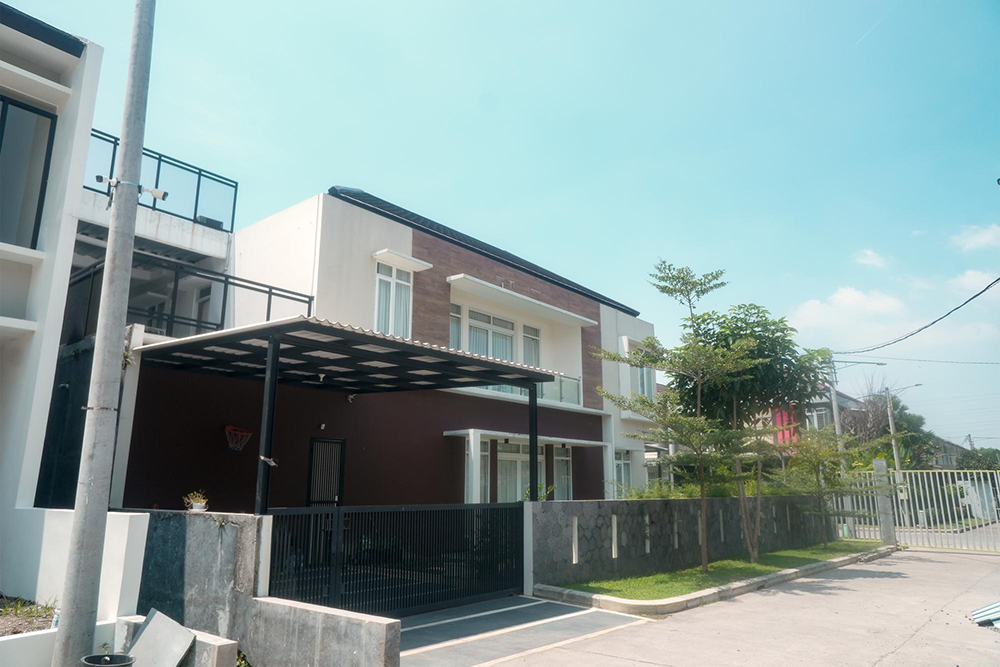
If you stay in a landed terrace house in Singapore, especially the older ones in areas like Bukit Timah, Serangoon, or Jurong, chances are you either have a flat roof over part of your home, or you’ve dealt with leakage from one before.
Flat roofs are common for rear extensions, balconies, and intermediate terrace houses. They look simple. But when they leak, they can be one of the most frustrating problems for homeowners. There are countless of cases where owners say similar things like the leakage only happens when it rains, previous contractor already did waterproofing or we just painted the ceiling last year.
This article breaks down how flat roof leaks really happen, how to detect them properly, and what actually works when it comes to fixing waterproofing issues, especially in Singapore’s unforgiving weather and climate.
Why Flat Roofs Leak So Often in Singapore
Flat roof leaks happen very frequently in Singapore mainly due to these reasons or a combination of them:
- Heavy, sudden downpours
- Intense UV exposure all year round
- High humidity
- Ponding water after storms
Unlike pitched roofs where water flows off quickly, flat roofs rely on proper slope and functioning outlets to drain water away. The moment water starts ponding regularly, waterproofing begins to fail. Over time, the waterproofing membrane start to crack, blister, or separates from the slab. Once that happens, water slowly seeps into the concrete. You may not physically see it immediately inside your house, but it’s already happening once the waterproofing membrane is compromised.
Early Signs Your Flat Roof Is Failing
Many homeowners only act when water starts dripping from the ceiling. But leaks usually give warning signs months before that and here are some observations we can look out for:
Ceiling Stains and Peeling Paint
Yellow or brown patches on the ceiling directly below the roof are classic signs. The paint may bubble or peel and sometimes, the plaster becomes soft to touch.
Hairline Cracks on the Roof Surface
On closer inspection, you might see cracks along the roof screed or at corners. These cracks allow water penetration during rain, seeping into the concrete slab and eventually ending up leaking at inside of the house.
Ponding Water
After heavy rain, check your roof. If water remains for more than 24 hours, your slope is insufficient or drainage outlet is partially blocked. Standing water significantly accelerates waterproofing failure due to constant exposure to high water volume and pressure.
Damp Smell or Mould Growth
Even without visible dripping, a musty smell in top floor rooms can indicate slow seepage.
Where Flat Roof Leaks Usually Start
Most terrace flat roof leaks often originate from one of these areas:
- Around drainage outlets
- Parapet wall junctions
- Pipe penetrations
- Hairline slab cracks
- Old waterproofing membrane joints
Corners and upturns are especially vulnerable and often are the weak spots of the waterproofing system. If waterproofing was not properly turned up along parapet walls during installation, water can creep behind the membrane.
How Professionals Properly Detect the Leak
A proper assessment goes beyond just physically looking at the ceiling. There are some tests or steps we can take:
Roof Surface Inspection
Check for cracks, blistered membrane, hollow screed and water ponding areas.
Flood Test (If Necessary)
In certain cases, controlled ponding is done to observe seepage patterns. This helps confirm whether the membrane has failed or if the issue is coming from a wall junction instead.
Eliminate Other Sources
Sometimes a roof leak can be due to other reasons such as a leaking overhead water tank, concealed pipe above the ceiling or aircon condensate overflow.
It is important to properly identify the leak source before we do any remedy works or hacking in order for repair works to be more effective and also to save on unnecessary costs.
Common Mistakes Homeowners Make
Just Repainting the Ceiling
This is only cosmetic. The moisture inside the slab remains, causing stains to come back within months.
Applying Cheap Coating Over Old Membrane
Many contractors simply apply a new coat of waterproofing paint over existing failed membrane without proper surface preparation. It may hold temporarily but will peel off in 1–2 years.
Ignoring Slope and Ponding
If water continues to pond, even the best membrane will eventually fail.
The correct repair depends on the condition of your roof.
Scenario 1: Minor Cracks, Waterproofing Still Intact
1. Clean and prepare surface
2. Seal cracks with polyurethane sealant
3. Apply new PU waterproofing membrane
4. Ensure proper upturn at walls
5. Reinforce drainage outlets
Scenario 2: Extensive Failure or Multiple Leak Points
1. Hack existing screed and failed membrane
2. Repair slab cracks
3. Redo proper cement screed with correct slope
4. Apply primer
5. Install new PU or torch-on membrane system
6. Reinforce corners and pipe penetrations
PU (polyurethane) systems are flexible and perform well under Singapore’s UV and rain exposure when properly applied. In older terrace houses (20–30 years old), re-doing the entire waterproofing system is often the more reliable long-term solution. Some preventive maintenance tips will be doing periodic checks, clearing drainage outlets every few months, avoid placing heavy planters directly on membrane and recoat waterproofing before total failure of waterproofing system.
Conclusion
Flat roof leakage in terrace houses is common in Singapore, but it’s fixable when diagnosed correctly. The biggest mistake homeowners make is patching symptoms instead of addressing root causes. If you notice ceiling stains, ponding water, or repeated waterproofing failure, don’t just repaint and hope for the best. Get the roof inspected properly, identify whether the issue is slope, membrane failure, or detailing at joints.
A properly executed waterproofing system, done with correct surface preparation and detailing, can last for many years, even under Singapore’s heavy rain and sun. Flat roofs may look simple, but when it comes to waterproofing, details make all the difference.