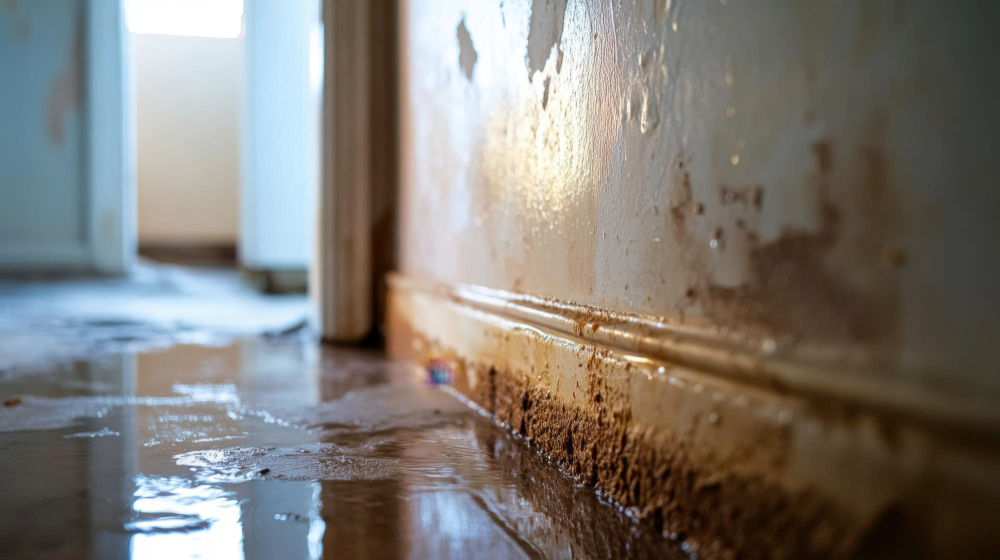
Water leakage problems that often go undetected until significant damage has occurred. Greatly affecting homeowners that starts off with a minor leak that can quickly escalate into a major renovation project costing thousands of dollars. According to recent property maintenance data, the average repair cost for extensive water damage in Singapore ranges from $800 for simple cases to over $15,000 for severe structural issues. Beyond the immediate repair costs, there’s the added burden of temporary accommodation expenses if the home becomes temporarily uninhabitable.
Early detection is crucial because water damage follows an exponential rather than linear progression. A small leak that might cost $300 to fix in its initial stages can balloon to a $10,000 renovation project within just 3-6 months if left untreated. Water infiltration silently degrades structural elements, corrodes reinforcement bars, and creates ideal conditions for mold growth that can trigger health issues among residents.
This guide aims to empower Singapore homeowners with practical knowledge to identify early warning signs of water leakage before they become critical problems. We’ll explore the common symptoms specific to Singapore’s building types and climate conditions, match these symptoms to specialized solutions, and provide guidance on selecting qualified contractors for different leakage scenarios. By the end of this article, you’ll have a comprehensive understanding of how to protect your property investment through proactive leak detection and appropriate remediation measures.
Understanding Singapore’s Tropical Climate Against Its Impact on Water Leakage
A house or buiding available will always create perfect conditions for water leakage problems that many homeowners don’t anticipate until damage has already occurred. The combination of year-round high humidity, intense monsoon seasons, and urban heat island effects creates a particularly challenging environment for building integrity as well in Singapore. During the Northeast Monsoon (December to March) and Southwest Monsoon (June to September), Singapore experiences prolonged heavy rainfall that can dump over 300mm of precipitation in a single day. These intense downpours create hydrostatic pressure against building exteriors, forcing water through microscopic cracks that would remain dormant in drier climates. The sheer volume and force of monsoon rain can overwhelm drainage systems and expose waterproofing weaknesses that remain hidden during drier periods.
Even between monsoons, Singapore’s average humidity of 80-90% prevents surfaces from fully drying. This persistent moisture creates ideal conditions for mold growth and gradually weakens waterproofing membranes through constant exposure. Building materials are rarely given the opportunity to completely dry out, which accelerates deterioration cycles and shortens the lifespan of traditional waterproofing solutions.
Daily temperature fluctuations, though moderate compared to temperate climates, still impact building materials significantly. As materials expand during daytime heat (often exceeding 32°C) and contract during cooler nights, tiny fractures develop in rigid waterproofing membranes. Over time, these thermal expansion cycles create entry points for moisture, particularly in areas where different building materials meet.
Singapore’s urban heat island effect intensifies these challenges. Concrete, glass, and asphalt surfaces absorb and radiate heat, creating microclimates around buildings that can be 3-7°C warmer than surrounding areas. This elevated temperature accelerates the breakdown of waterproofing polymers and sealants, causing them to become brittle and crack prematurely. Materials rated for 15-20 years in temperate climates might last only 7-10 years under Singapore’s intense UV exposure and heat stress.
These climate factors mean that Singapore homeowners need waterproofing solutions for any water leakage issue specifically engineered for tropical conditions.
Spot Silent Water Leaks Before Disaster Strikes
Water leaks often work silently behind walls and above ceilings long before they announce their presence. By the time water visibly drips or pools, significant damage may have already occurred. Learning to identify these early warning signs can save homeowners thousands in repair costs and prevent serious structural damage.
Wall and Ceiling Stains: The First Visual Clues
The most common indicator of a hidden leak is discoloration on walls or ceilings. Look for yellowish, brownish, or copper-colored stains that seem to appear or darken after heavy rainfall. These stains typically form rings or irregular patches and may grow over time. In Singapore’s monsoon season, these marks become particularly telling if there’s a stain that expands during the rainy months, you’re likely dealing with an active leak rather than an old water mark.
Pay special attention to:
Corners where walls meet ceilings
Areas beneath bathrooms or kitchens
Spots around window frames
Ceiling areas directly below roof joints
Surface Deterioration: When Your Finishes Start to Fail
Water doesn’t just stain, it gradually destroys the integrity of your home’s finishes. As moisture penetrates materials, you’ll notice:
Paint bubbling or peeling:
Water pushes paint away from surfaces, creating bubbles that eventually crack and peel
Wallpaper lifting at seams:
Moisture dissolves adhesives, causing edges to curl or entire sections to detach
Plaster blistering or crumbling:
The calcium compounds in plaster react with persistent moisture, causing it to swell and eventually disintegrate
Softening drywall:
Gypsum board becomes soft to the touch when saturated, often feeling spongy when pressed
These symptoms are particularly problematic in Singapore, where high humidity already challenges interior finishes. When these issues appear without obvious water exposure, a hidden leak is the likely culprit.
Musty Odors That Signal Trouble For Water Leakage
Sometimes you can smell a water leak before you see it. A persistent musty, earthy, or damp odor can particularly be in enclosed spaces like bathrooms, cabinets, or storage areas. This often indicates trapped moisture as the smell intensifies in warm conditions, making it particularly noticeable during Singapore’s hottest months.
The odor typically results from:
Mold spores activating in damp environments
Bacterial growth in stagnant water
Decomposition of organic materials like wood or paper when continuously wet
If the smell disappears after ventilation but returns within hours, you likely have an active moisture source nearby.
When Your Walls Start Growing Crystals, Known As Efflorescence
One of the most scientific indicators of water intrusion is efflorescence where white, powdery deposits that appear on concrete, brick, or tile surfaces. These crystalline formations occur when water moves through masonry, dissolving naturally occurring salts, and then evaporates at the surface, leaving the minerals behind.
In Singapore’s concrete-heavy construction, efflorescence commonly appears:
Along the bottom of exterior walls
On basement or ground floor surfaces
Around window openings
On balcony edges or planters
While harmless in itself, efflorescence is a reliable indicator that water is penetrating your building materials which is commonly a problem that will eventually compromise structural integrity if left unchecked.
Biological Growth Of Water Patches Due To Humidity
Singapore’s warm, humid climate creates perfect conditions for mold and mildew when additional moisture is introduced. Look for:
Black, green, or white spotty growth on walls and ceilings
Fuzzy patches in corners or behind furniture
Discoloration along grout lines or caulking
Dark speckling on wooden surfaces
Beyond being unsightly, these biological growths pose serious health risks, particularly for those with respiratory conditions, allergies, or compromised immune systems. Mold can trigger asthma attacks, cause persistent coughing, and lead to chronic sinus infections.
Structural Red Flags When Your Home Starts Changing Shape
The most concerning signs of water damage involve actual physical changes to your home’s structure:
Warped or buckling floorboards: When wood absorbs moisture, it expands and can lift from the subfloor
Loose or cracked tiles: Water compromises adhesives and grout, causing tiles to detach
Doors or windows that suddenly stick: Frame materials expand when wet, changing their dimensions
Visible cracks in walls or ceilings: Water can erode supporting materials or cause expansion that leads to cracking
Sagging ceilings indicating saturated materials that may collapse
These symptoms require immediate attention as they indicate that water damage has progressed beyond cosmetic issues to potentially compromise your home’s structural integrity. Condominium and HDB environments, these structural changes can be especially problematic as they may affect neighboring units, potentially leading to disputes and shared repair costs.
Identifying these warning signs early and taking prompt action is your best defense against extensive water damage. The next sections will guide you through matching these specific symptoms to the right waterproofing specialists who can address the root causes effectively.
Inter-Floor Leakage
Singapore’s high-rise living creates unique challenges when water appears on your ceiling. Inter-floor leakage of water seeping from one unit to another is among the most common yet frustrating issues HDB and condominium residents face.
Common Causes of Inter-Floor Leakage
Inter-floor leakage typically stems from several key failures in the unit above yours:
Deteriorated waterproofing membrane: Most bathrooms in Singapore have a waterproofing layer that lasts 10-15 years before failing, especially in older properties built before 2000.
Cracked or loose tiles: Daily temperature fluctuations cause tiles to expand and contract, eventually creating microscopic cracks that allow water to penetrate below.
Compromised pipe penetrations: The points where pipes enter walls or floors are particularly vulnerable, as waterproofing often deteriorates first around these junctions.
Improperly sealed shower areas: Especially in bathrooms renovated with modern “open concept” designs, inadequate waterproofing around shower areas can lead to widespread leakage.
Kitchen water damage: Sink overflows, dishwasher leaks, and refrigerator water lines can cause significant inter-floor leakage, often presenting differently than bathroom leaks.
Detection Methods of Leakage
Before water visibly drips from your ceiling, several warning signs might appear:
Ceiling paint bubbles: Small, blister-like formations in ceiling paint indicate trapped moisture.
Circular stains: Brownish rings on ceilings often indicate intermittent leakage that dries between occurrences.
Flaking plaster: When moisture compromises the bond between paint and plaster, small pieces begin to detach.
Mold clusters: Black or greenish spots forming in patterns across ceilings suggest consistent moisture.
Moisture meter readings: Professional inspectors use non-invasive moisture meters to detect hidden dampness before visible damage occurs.
Immediate Actions When You Spot a Leak
Document everything: Take clear photos and videos of the damage, including time stamps.
Place collection containers: Use buckets or plastic containers to collect dripping water and prevent floor damage.
Protect valuables: Move furniture, electronics, and important documents away from the affected area.
Create temporary drainage: For persistent leaks, consider drilling a small hole at the lowest point of a ceiling bulge to release trapped water in a controlled manner.
Dehumidify: Place dehumidifiers near the affected area to reduce ambient moisture and prevent mold growth.
Neighbor Coordination When Water Leaks
Inter-floor leakage requires delicate neighbor diplomacy when it comes to such situation
Initial contact: Approach your upstairs neighbor politely, focusing on solving the problem rather than assigning blame.
Joint inspection: Suggest a coordinated inspection of both units, ideally with a neutral professional present.
Documentation sharing: Exchange inspection reports and photos to establish a shared understanding of the issue.
Management involvement: If direct communication proves difficult, engage your building management or HDB as mediators.
Cost-sharing discussions: In many cases, repairs may involve work in both units, requiring clear agreements on financial responsibility.
Bathroom vs. Kitchen Leaks
Determining whether water originates from a bathroom or kitchen helps target repairs effectively:
Bathroom leak indicators:
Leakage occurs during or shortly after shower usage
Water appears clear and odorless
Damage pattern follows bathroom layout above
Leakage may worsen during morning and evening “shower hours”
Kitchen leak indicators:
Leakage may contain food particles or grease
Water might have a distinct odor
Damage aligns with kitchen plumbing locations
Leakage patterns often correspond with meal preparation times
Water may appear discolored from food residue
Understanding the specific source guides your approach to both temporary mitigation and permanent solutions, ensuring you address the root cause rather than merely treating symptoms.
Understanding External Wall Seepage and Window Leaks in Singapore
When rain streaks down your interior walls or puddles form beneath windows during heavy downpours, you’re likely dealing with external wall seepage or window leaks. These issues are particularly common in high-rise buildings exposed to Singapore’s distinctive wind-driven rain patterns.
Wind-Driven Rain Patterns in Singapore
Unlike vertical rainfall, wind-driven rain attacks buildings horizontally, forcing water against facades with significant pressure. In Singapore, the monsoon seasons create predictable patterns:
Northeast Monsoon (December-March): Buildings with northeastern exposures face the greatest risk, with rain being driven against these facades at speeds up to 30km/h.
Southwest Monsoon (June-September): Facades facing southwest become vulnerable, especially in high-rise buildings where wind velocity increases with height.
Inter-monsoon periods is characterized by sudden, intense thunderstorms that can attack buildings from multiple directions, testing all external seals simultaneously.
Buildings above the 15th floor typically experience 40% more wind-driven rain exposure than those at lower levels, making high-rise apartments particularly susceptible to these issues.
Identifying Facade Cracks Before They Lead to Leaks
External wall cracks often develop gradually before causing noticeable interior damage. Here’s what to look for:
Hairline cracks (less than 0.5mm wide): Though seemingly insignificant, these can channel water during intense storms. They appear as fine lines, often in a spider-web pattern.
Step cracks: These stair-like cracks follow mortar joints and often indicate structural movement.
Map cracking: Resembling dried mud patterns, these indicate concrete carbonation or reinforcement corrosion.
Corner cracks near windows: Particularly problematic as they create direct pathways for water to enter around window frames.
Perform regular visual inspections after heavy rains, looking for damp patches that form distinctive patterns on interior walls as these often mirror the exterior crack formations.
Window Sealant Deterioration Signs
Window leaks are frequently caused by failing sealants that have succumbed to Singapore’s harsh UV exposure and temperature fluctuations. Watch for:
Chalking: When silicone or polyurethane sealants develop a powdery white surface.
Shrinkage and separation: Gaps forming between the sealant and window frame or wall.
Hardening and cracking: Loss of elasticity in once-flexible sealants.
Discoloration: Yellowing or darkening indicates UV damage and reduced water resistance.
Bubbling or blistering: Suggests moisture has already penetrated beneath the sealant.
Window sealants typically require replacement every 7-10 years in Singapore’s climate, though premium products may last longer.
Impact of Building Orientation on Water Leakage Risk
Your apartment’s directional exposure significantly affects its vulnerability to leaks:
East-facing units: Experience morning sun and afternoon shade, resulting in dramatic daily temperature fluctuations that stress building materials and accelerate sealant deterioration.
West-facing units: Subjected to intense afternoon heat followed by evening cooling, creating expansion-contraction cycles that widen facade cracks over time.
Corner units: Face double exposure and are particularly vulnerable where two external walls meet, creating stress points prone to cracking.
Units near building features: Apartments adjacent to architectural elements like ledges, balconies, or decorative features face increased risk as these junctions create natural water pathways.
Your building’s orientation can help you anticipate potential leak points and implement preventive measures before the monsoon season arrives.
Understanding Roof Leakage
Intense tropical downpours put immense pressure on roofing systems year-round. Unlike more visible leaks, roof-related water intrusion often travels significant distances before revealing itself, causing extensive hidden damage along the way.
Flat Roof Ponding Issues
Ponding, where water collects in depressions rather than draining away, it is particularly problematic on flat roofs throughout Singapore especially in terrace and bangalow. These seemingly innocent puddles become destructive forces when:
- Stagnant water adds unexpected structural weight (1cm of water across a 10m² area weighs approximately 100kg)
- UV-degraded waterproofing membranes develop microscopic weaknesses under constant water pressure
- Organic debris accumulates in these ponds, creating acidic conditions that accelerate membrane deterioration
Thermal cycling causes repeated expansion and contraction, with ponded areas cooling at different rates than dry sections, creating stress points. Even small depressions of just 3-5mm can create persistent ponding. Over time, these areas become the primary entry points for water infiltration, particularly at membrane seams and joints.
Metal Roof Vulnerability Points
Metal roofing, though durable, presents unique leakage challenges:
- Fastener points (screws and bolts) develop micro-gaps as thermal expansion loosens connections
- Overlapping seams deteriorate as trapped moisture and salt air create galvanic corrosion
- Flashing connections where metal meets walls or other materials fail due to differential movement
- Ridge caps and valley gutters experience accelerated wear from concentrated water flow during monsoons
The combination of Singapore’s salt-laden air, high UV exposure, and frequent rain creates perfect conditions for premature deterioration of metal roofing systems, particularly at these critical junction points.
Drainage System Failures Causing Water Leakage
A roof is only as effective as its drainage system, and failures here often manifest as internal leaks:
- Clogged scuppers and downspouts force water to find alternative escape routes
- Undersized drainage systems become overwhelmed during intense monsoon downpours
- Negative drainage slopes (where water flows toward rather than away from structures)
- Internal drain pipes developing cracks or separations within wall cavities
These drainage issues often create puzzling leak patterns that appear far from their actual origin point, making diagnosis particularly challenging without specialized equipment.
Signs of Membrane Degradation
Waterproofing membranes, whether bituminous, PVC, or liquid-applied, exhibit specific failure indicators:
Alligatoring: A cracked pattern resembling alligator skin indicates UV damage and oxidation
Blistering: Trapped moisture or air creates raised bubbles in the membrane surface
Splitting: Linear cracks that follow substrate movement or material shrinkage
Edge lifting: Membrane detachment at termination points, particularly at parapets and corners
Punctures: Mechanical damage from foot traffic, equipment, or falling debris
Early detection of these warning signs through regular roof inspections can prevent minor issues from developing into major structural problems, especially before Singapore’s heaviest rainfall periods.
How to Distinguish Rising Damp Water Leakage from Other Moisture Issues
Rising damp has several telltale signs that differentiate it from condensation or lateral penetration:
Height-limited damage: The moisture and damage pattern typically extends no higher than 1-1.5 meters from the floor
Horizontal spread: The dampness creates a relatively level “tide line” along walls
Salt crystallization: White, powdery deposits (efflorescence) appear as groundwater evaporates, leaving minerals behind
Deteriorating skirting boards: Wooden baseboards often show rot starting at the bottom
Peeling paint and plaster: Wall coverings bubble and separate from the wall in horizontal bands
Musty, earthy smell: A distinctive odor persists regardless of ventilation. If moisture appears higher up walls, in patches, or only after rainfall, you’re likely dealing with a different type of water intrusion problem.
Long-term Impact on Foundations and Building Integrity That Cause Water Leakage If Left Untreated
Left untreated, rising damp creates far more serious problems than just cosmetic damage:
Concrete spalling: Reinforcement steel within concrete begins to rust and expand, causing concrete to crack and flake off
Foundation weakening: Constant moisture can compromise structural integrity, particularly in older buildings
Health hazards: Persistent moisture creates ideal conditions for mold growth, potentially triggering respiratory issues
Electrical hazards: Moisture in walls containing wiring creates potential short-circuit risks
Property devaluation: Visible rising damp significantly reduces property value and marketability
Unlike surface leaks that might be temporarily addressed with waterproof paint, rising damp requires specialized intervention that creates a physical or chemical barrier to prevent continued capillary action. The longer treatment is delayed, the more extensive and expensive the remediation becomes, often requiring removal of affected plaster, installation of chemical injection damp-proof courses, and comprehensive restoration work.
DIY Detection Methods By Homeowners First On Water Leakage Area
Singapore’s high humidity can make it challenging to distinguish between normal moisture and problematic leaks. However, homeowners can employ several methods to detect silent leaks before they cause extensive damage.
Moisture Meters: Your First Line of Defense
Moisture meters are invaluable tools for homeowners suspicious of hidden water issues. These handheld devices measure the moisture content in various materials:
- Pin-type moisture meters use two metal pins that penetrate surfaces to measure electrical resistance. They’re excellent for pinpointing exact locations in drywall, wood, and other porous materials.
- Pinless moisture meters use electromagnetic sensors and are non-invasive, making them ideal for finished surfaces where you don’t want to create holes.
- Dual moisture meters combine both technologies for comprehensive testing.
When using a moisture meter, compare readings from suspected problem areas with those from definitely dry areas. Readings above 16% in wood or elevated readings in drywall often indicate a leak requiring attention.
Thermal Imaging On Leakage Area
Thermal cameras have revolutionized leak detection by visualizing temperature differences:
- These devices detect the cooler temperatures associated with moisture, displaying them as color variations on a screen.
- Even entry-level thermal camera attachments for smartphones can reveal hidden moisture patterns behind walls or ceilings.
- Look for unusual cool spots (often appearing blue or purple) that could indicate water accumulation.
For best results, scan walls during the hottest part of the day when temperature contrasts are most pronounced, or early morning when leaks appear cooler than surrounding dry areas.
Simple DIY Moisture Tests Anyone Can Perform
Not ready to invest in equipment? Try these practical tests:
The Tape Test: Secure clear packing tape firmly against a suspicious wall area for 24 hours. If condensation forms underneath or the tape loosens easily, excessive moisture is likely present.
The Sheet Test: For suspected bathroom leaks, dry the floor completely, lay white paper towels or sheets over the entire floor, and check for wet spots after several hours without use.
Food Coloring Test: Add several drops of food coloring to your toilet tank (not bowl). If colored water appears in the bowl without flushing, you have a silent leak.
Meter Monitoring: Turn off all water-using appliances and check if your water meter continues to run which is a clear indication of a leak somewhere in your system.
Limitations of Self-Assessment On Water Leakage
While DIY detection methods are useful for preliminary investigation, they have significant limitations:
Consumer-grade equipment lacks the sensitivity of professional tools
Interpretation of results requires experience, what looks like a leak might be condensation
Surface indicators may not reveal the true source or extent of the problem
Singapore’s high ambient humidity can create false positives
Most importantly, DIY methods can identify that a problem exists but rarely pinpoint the exact source or pathway of water intrusion that is critical information for effective repairs.
When to Call the Professionals For Water Leakage
Certain indicators signal the need for immediate professional assessment:
- Moisture readings consistently above recommended levels
- Thermal imaging showing extensive cool areas within walls
- Water meter running when all fixtures are off
- Multiple positive results from DIY tests
- Visible mold growth despite surface cleaning
- Persistent musty odors even after ventilation improvements
- Water stains that reappear after painting
- Warping of wooden floors or cabinetry
Remember that water damage progresses much faster than in humid region. What might be a minor issue on Monday could become a major problem by Friday, especially during monsoon season. Professional assessment is an investment that can prevent thousands of dollars in structural repairs.
Why Specialized Water Leak Detection That WaterproofingSG Deploy Matters in Singapore
Different water intrusion problems require specialized detection methods and technical solutions. The “one-size-fits-all” approach commonly offered by general contractors typically addresses only symptoms rather than root causes, leading to recurring problems and escalating damage.
When facing water leakage issues, understanding the specific nature of your problem is crucial. A contractor who specializes in bathroom waterproofing may lack the expertise for external wall seepage issues. Similarly, techniques effective for concrete roof leaks often prove ineffective for metal roofing systems.
The financial implications of misdiagnosed water leakage extend beyond repair costs. Untreated moisture problems lead to structural weakening, electrical system damage, and even health hazards from toxic mold growth. Engaging the right specialist from the outset prevents these cascading problems and protects your property’s long-term value.
Remember that in Singapore’s construction ecosystem, waterproofing specialists operate as distinct entities from general contractors, each with their own specialized equipment, technical training, and application expertise. The investment in proper diagnosis and specialized treatment pays dividends through effective, lasting solutions rather than temporary fixes that allow underlying damage to continue.
PU Injection Grouting: Precision Leak Targeting
Polyurethane (PU) injection grouting represents one of the most sophisticated non-invasive waterproofing solutions available today. This technology works by injecting liquid polyurethane directly into cracks, joints, or voids where water penetration occurs.
How PU Injection Works:
Technicians drill small injection ports (typically 10-13mm) at strategic locations along the crack or leak path
Liquid polyurethane is injected under pressure through these ports
Upon contact with water, the polyurethane expands up to 20 times its original volume
The expansion creates a flexible, watertight seal that fills all voids and microcracks
The material cures into a durable, elastic barrier that can withstand future structural movement
Advantages of PU Injection:
Non-destructive application that preserves existing finishes
Penetrates deeply into concrete structures to block water at its source
Flexible after curing, allowing it to accommodate normal building movement
Effective for both active leaks and preventative waterproofing
Long-lasting solution with typical durability of 10+ years in Singapore’s climate
Limitations to Consider:
Requires specialized equipment and trained technicians
Higher initial cost compared to surface treatments
Not suitable for large-scale structural waterproofing
Effectiveness depends on proper diagnosis of water entry points
Flood Infusion Treatment
Flood infusion technology represents a revolutionary approach to bathroom and wet area waterproofing, especially in HDB flats and condominiums where hacking tiles is problematic or prohibited.
The Flood Infusion Process:
The affected area is temporarily converted into a shallow “pool”
A proprietary waterproofing solution is poured to create a controlled flood
Utilizing natural hydrostatic pressure, the solution penetrates through grout lines, hairline cracks, and porous materials
The solution forms a subsurface waterproofing membrane beneath the existing tiles
Advanced capillary-blocking agents seal microscopic pathways that traditional methods miss
Advantages of Flood Infusion:
Zero hacking required, preserving existing tiles and finishes
Minimal disruption to daily life (typically completed in 1-2 days)
Creates a comprehensive subsurface membrane rather than spot treatments
Particularly effective for inter-floor leakage in multi-story buildings
Environmentally friendly compared to chemical alternatives
Limitations to Consider:
Not suitable for structural cracks wider than 2mm
Requires temporary relocation of bathroom fixtures
Less effective for vertical surfaces than for horizontal applications
May require periodic retreatment in high-traffic wet areas
Choosing the Right Waterproofing Specialist
Selecting a qualified waterproofing contractor in Singapore requires careful consideration beyond just comparing quotes. The right specialist can mean the difference between a permanent solution and recurring problems that cause ongoing damage to your home.
BCA Registration
The Building and Construction Authority (BCA) registration, specifically the CR13 workhead for waterproofing installation, serves as the fundamental credential for any legitimate waterproofing contractor. This registration confirms that the company meets the minimum technical requirements and possesses the necessary expertise to perform waterproofing works according to Singapore’s building codes.
When engaging a contractor, always request their BCA registration number and verify it through the BCA directory. Unregistered contractors may offer attractively low prices but often lack the technical knowledge to properly diagnose and treat complex water leakage issues, particularly in Singapore’s challenging tropical climate.
BizSAFE Certification
A bizSAFE certification indicates that the contractor has implemented proper workplace safety and health management systems. This is particularly important for waterproofing work, which often involves working at heights, handling chemicals, and operating specialized equipment.
Contractors with BizSAFE Level 3 or higher have demonstrated commitment to maintaining safe work environments, which translates to more professional execution of waterproofing projects in your home. This certification also suggests organizational competence and attention to detail for effective waterproofing solutions.
The Critical Importance of Site Visits
Never accept a quotation without an in-person site assessment. Reputable waterproofing specialists insist on thorough inspections before providing solutions. During the site visit, professional contractors will:
- Use moisture meters to quantify dampness levels
- Employ thermal imaging cameras to trace water pathways
- Conduct water tests to identify entry points
- Examine the building’s orientation relative to prevailing monsoon winds
- Consider the age of the structure and previous waterproofing treatments
Be wary of contractors who provide immediate quotes over the phone or propose solutions without comprehensive diagnostics. Effective waterproofing begins with precise problem identification, which is impossible without a detailed on-site assessment.
Remember that investing in quality waterproofing is ultimately more economical than addressing repeated failures or dealing with extensive water damage. By thoroughly vetting your waterproofing specialist using these criteria, you significantly increase your chances of achieving a lasting solution to your water leakage issues.
By understanding the unique challenges of water leakages and different waterproofing and water solution to fix specific leak symptoms. You can protect your home from the silent but destructive force of water damage for years to come.