Bathroom water leakage Bathroom water leakage is one of the most common complaints in apartments and condominiums across Singapore. If you live in an HDB flat, condominium, or older private apartment, chances are you have either experienced water leaking from your bathroom to the unit below, or received a call from your downstairs neighbour about stains appearing on their ceiling.
It can be stressful for both sides. The upstairs owner worries about repair costs and hacking works, while the downstairs neighbour deals with unsightly stains, peeling paint, mould, and sometimes even dripping water. Bathroom leakage between units is one of the most common issues in Singapore homes, but the tricky part is that the problem often isn’t visible from your side at all.
The good news is that most bathroom leakage problems can be identified and resolved if you understand the common causes and repair methods used in Singapore. This article explores the possible causes and also provide the possible approaches we can undertake to resolve this problem.
Why Bathroom Water Leakage Happens
Bathrooms are exposed to high volume of water every day. Over time, materials wear down and small defects can allow water to seep through the floor slab. In Singapore, the most common causes of leakage include:
1. Failed Waterproofing Membrane
Waterproofing system is not permanent and have a limited lifespan. In older flats (especially 15–20 years and above), the original membrane under the tiles starts to break down. Once that happens, water slowly seeps through the slab every time you shower.
2. Cracked or Hollow Tiles
Tiles may look fine on the surface, but cracks or hollow sections underneath can allow water to pass through. Over time, repeated exposure to water during showers worsens the issue.
3. Floor Trap Leakage
Floor traps are one of the most common leakage points. If the connection between the floor trap and the waterproofing layer is compromised, water can seep around the trap and travel into the slab.
4. Concealed Pipe Leaks
Many bathrooms in Singapore have concealed water supply pipes hidden behind walls or within the floor. When these pipes develop leaks, the water may not be visible inside the bathroom but can leak into neighbouring units. You might only notice this when your water meter keeps running even when no taps are being used.
5. Failed Sealants Around Fixtures
Sealants around shower screens, toilet bowls, or wash basins can deteriorate over time. When this happens, water can slowly seep into the floor or wall joints.
Signs Your Bathroom Is Causing Leakage
If your neighbour downstairs reports a problem, it is important to investigate quickly to find out the actual cause. Some common warning signs include:
- Brown or yellow water stains on the ceiling below
- Peeling paint or bubbling plaster
- Damp patches on the ceiling or wall
- Algae or mould growth
- Dripping water after someone showers
In some cases, the bathroom upstairs may look perfectly normal, which makes the problem harder to identify without proper inspection.
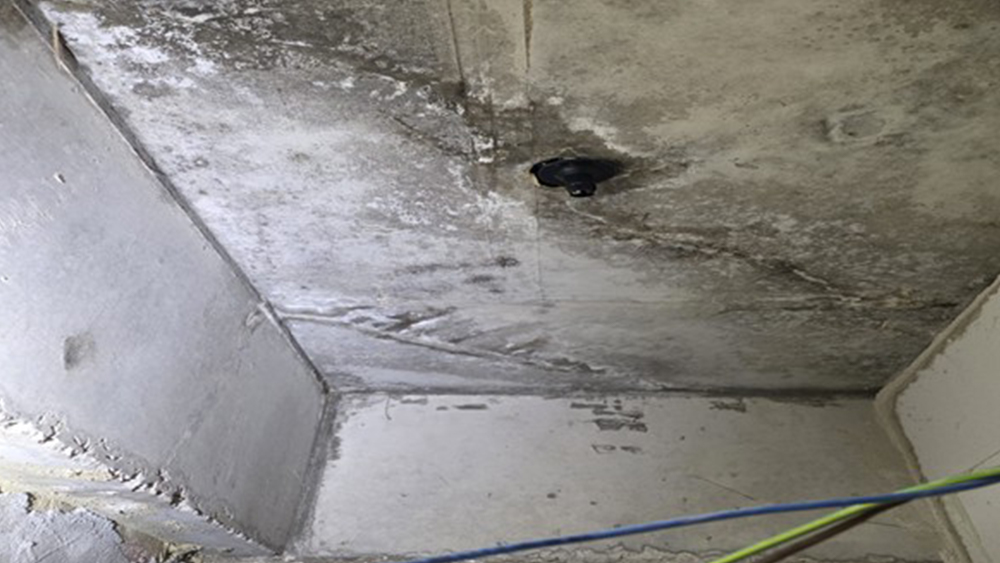
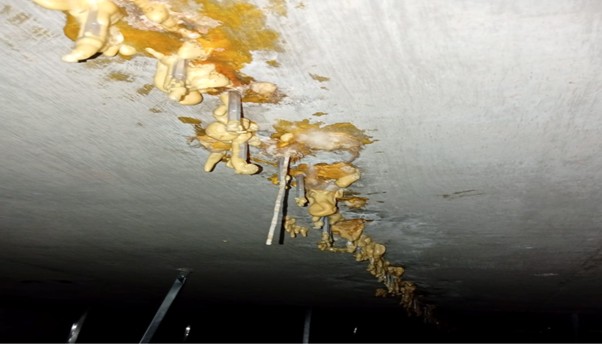
This is one very clear example of water leaking to the unit below around the floor trap discharge pipe surroundings. The owner upstairs isn’t aware of this issue as his toilet is perfectly fine, up until the unit below complains. Therefore, we can use the above warning signs mentioned above to identify and pick up any potential leakages for suitable remedies before the situation worsens and becomes costlier.
First Step: Identify the Source of the Leak
Before any repair work, it is of utmost importance to determine the exact cause of the leakage. Jumping straight into hacking tiles can sometimes lead to unnecessary costs. Professional contractors in Singapore typically perform several checks, such as water ponding tests, pipe pressure tests or visual inspections of the common leakage areas. Once the source is identified, the correct repair method can be recommended.
Common Repair Solutions for Bathroom Water Leakage
Depending on the main cause of the leak, solutions may vary to tailor to the different scenarios.
1. PU Injection Grouting
Polyurethane (PU) injection grouting is sometimes used to seal cracks in concrete slabs using a high pressure machine to inject the chemical which expands into cracks and fills the voids from either the upstairs bathroom or more commonly from the downstairs ceiling.
2. Resealing Joints and Fixtures
If the leakage is due to failed sealants, a simpler repair may work. This include removing the old sealant and reapplying the new sealant after cleaning and drying the surface to ensure that the adhesion is good.
3. Replacing the Waterproofing System
This is the most permanent solution when the waterproofing layer has failed extensively and more commonly seen in large overhauls renovation works. The typical process involves hacking and removing of existing layers, reapplication of the new waterproofing system.
4. Floor Trap Repair or Replacement
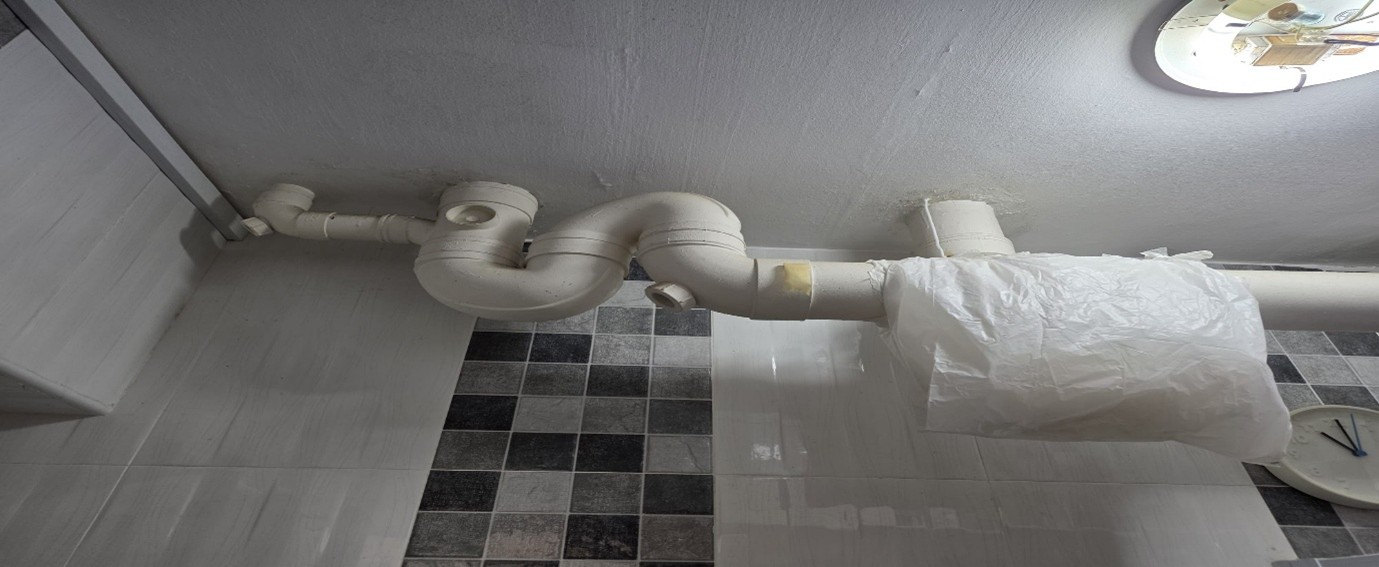
If the leak is coming from the floor trap area, the repair involves hacking around the floor trap area and reinstall a new floor trap with the appropriate waterproofing done to the surroundings
5. Rerouting Concealed Pipes to Exposed Pipes
When concealed pipes leak, many contractors in Singapore recommend terminating the existing concealed pipes and rerouting to exposed pipes to supply to the different toilet fixtures.
Preventing Future Bathroom Leaks
Once repairs are completed, homeowners can take several steps to prevent future leakage.
- Maintain tile grout regularly by re-grouting tiles to help prevent water from seeping into gaps.
- Check sealants regularly around common weak spots to ensure integrity of it
- Avoid aggressive chemical cleaners as strong acids can degrade grout and sealants over long period of time.
- Monitor water meter movement every now and then to check for any concealed pipe leakage
Bathroom leakage problems can quickly escalate if ignored entirely. Water damage may spread to neighbouring areas, or worse your neighbours’ units, eventually causing disputes and higher repair costs.
Early signs of water leakages detected or after receiving complaints from the unit below, it is best to engage an experienced waterproofing or plumbing contractor in Singapore to carry out proper inspection and the appropriate repair methods.
Conclusion On Stopping Bathroom Water Leakage
Bathroom water leakage to the lower unit is a common issue in Singapore’s apartments and HDB flats, but it is usually solvable once the source is identified. Whether the problem comes from failed waterproofing, leaking pipes, or floor trap defects, there are effective repair methods available.
By understanding the root causes, acting quickly, and engaging the right professionals, homeowners can resolve the issue before it turns into a major renovation problem. Proper maintenance and timely repairs go a long way in keeping your bathroom dry and your neighbours happy.