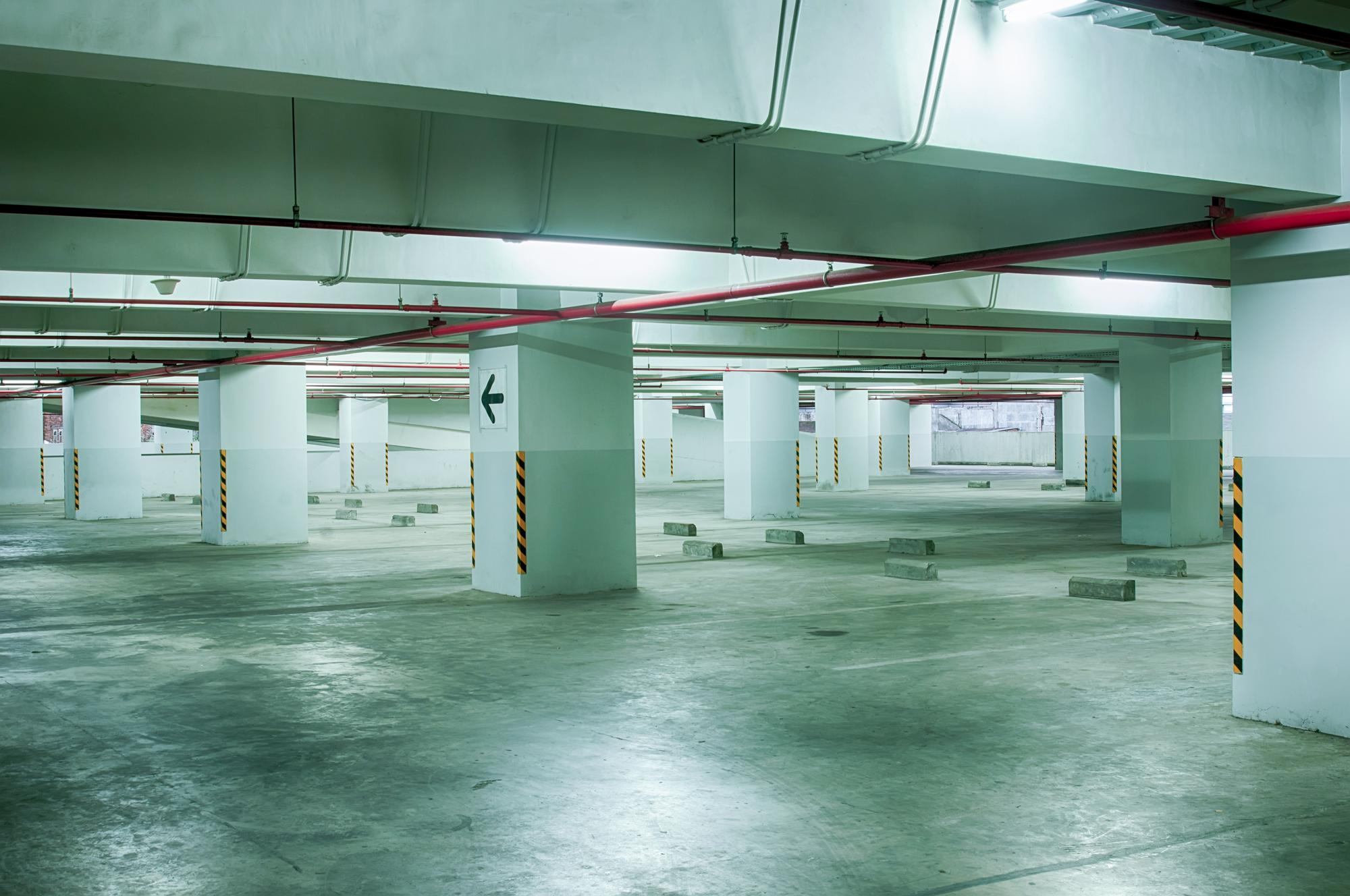
Basement waterproofing is a critical yet often underestimated aspect of commercial building maintenance in Singapore. From carparks and loading bays to plant rooms and retail basements, water ingress can disrupt operations, damage assets, and lead to escalating repair costs if not addressed early.
Given Singapore’s high groundwater levels, frequent heavy rainfall, and extensive use of basements in commercial developments, basement water leakage is not uncommon. What matters is how accurately the issue is identified and how effectively it is managed over the long term.
This page explains basement waterproofing for commercial buildings in Singapore, focusing on real site conditions, common failure points, and practical solutions that work in local environments.
Why Basement Waterproofing Is Essential in Singapore
Singapore’s tropical climate and soil conditions place constant and high pressure on basement structures. High water tables, especially in reclaimed and low-lying areas, create strong hydrostatic pressure that forces water through any weak point in basement walls or slabs.
Unlike above-ground leaks, basement water ingress:
- Is pressure-driven rather than gravity-driven
- Often occurs behind finishes or services
- Worsens over time if untreated
In commercial buildings, basements commonly house critical infrastructure such as electrical rooms, fire pump rooms, data facilities, and carpark systems. Water leakage in these areas can cause operational disruption far beyond the basement itself. Therefore, it is essential that we are able to identify any signs of early warnings of water leakages so that we can rectify and resolve to issue accordingly to prevent further escalation of the problems that it might potentially caused us.
Common Causes of Basement Water Leakage in Commercial Buildings
There are often few common factors, or combined factors that will result in leakages in basement based on Singapore climate and conditions. Understanding the source of leakage is key to effective basement waterproofing, so that we can tackle the issue from it root cause.
1. Aged or Deteriorated Waterproofing Systems
Most basement waterproofing membranes have a finite lifespan. Over long period of time, constant exposure to groundwater pressure, chemical attack, and structural movement causes these membranes to degrade, breaking the integrity of the waterproofing system.
Many older commercial buildings in Singapore still rely on:
- Torch-on membranes
- Bituminous waterproofing
- Cementitious coatings
Once these systems fail, external replacement is usually not feasible, making internal waterproofing solutions necessary.
2. Construction Joints and Cold Joints
Basement slabs and walls are cast in multiple stages, creating construction joints. These construction joints are often the natural weak points of the structure where water can penetrate if preventive system are defective or missing.
In reality, many basement leaks appear as:
- Linear damp patches
- Fine cracks along joint lines
- Persistent seepage at slab-wall junctions
3. Structural Cracks and Building Movement
Commercial buildings experience minute movements due to settlement, thermal expansion, and load changes. Even small hairline cracks can allow continuous seepage with groundwater pressure.
Over and extended period of time, this leads to:
- Corrosion of reinforcement bars
- Concrete spalling
- Widening of cracks
Early crack treatment is essential to prevent long-term deterioration.
4. Drainage and Groundwater Pressure Issues
Basement waterproofing systems are designed to manage a certain amount of water, not just entirely block it.
Common issues include:
- Blocked subsoil drainage
- Failed or undersized sump pumps
- Inadequate pressure relief systems
During heavy rainfall, especially in Singapore’s unforgiving climate, groundwater pressure can increase rapidly, overwhelming poorly maintained drainage systems.
Signs of Basement Waterproofing Failure
Basement leakage does not always present itself as flowing water that we can physically see with our eyes.
Common warning signs include:
- Damp or dark patches on basement walls
- Efflorescence (white powdery residue)
- Peeling or blistering paint
- Musty odours
- Corrosion on exposed metal components
In carparks and service areas, these signs are often ignored until leakage becomes severe and affects us directly in our daily routines.
Basement Waterproofing Methods Used in Singapore
These are some of the commonly used basement waterproofing method in Singapore, catered to Singapore climate and conditions. Each method has it owns pros and cons, with a finite period of lifespan for the effectiveness of the waterproofing system.
1. External (Positive-side) waterproofing
External waterproofing involves the process of applying the waterproofing membranes to the outside/exterior face of the basement walls. The advantages of this method is that it prevents water from entering the structure as it forms a protective layer on the external part of the basement walls. It also serves as a longer term of protection against water seepages.
However, the downside of this method is that it is not practical for existing commercial buildings. To maintain or repair, it requires excavation of the surroundings, which is not cost effective or efficient due to the large amount of effort and costs required.
This method is only commonly used and applied during new construction of buildings.
2. Internal (Negative-side) waterproofing
Internal waterproofing is the process of application of the waterproofing system from the inside/interior of the building basement walls. It is the most common method or solution found in Singapore’s buildings. Some of the common techniques involves are PU injection grouting, Epoxy crack injection, Crystalline waterproofing systems and cementitious coatings. All these methods are designed and catered to stop active water seepages or reduce water ingress from the internal side of the building without major disruption to daily routines.
3. Drainage and pressure relief systems
In some commercial buildings that we see, complete water exclusion is unrealistic and not possible. Pressure relief systems are designed and built to manage these volumes of water in a safe and effective way, maintaining the integrity of the waterproofing system of the building. These systems may include internal drainage channels, sump pump installations and pressure relief valves. These solutions are more commonly found in deeper basements or buildings located in high water table zones.
Why Repeated Basement Leaks Occur
A common issue found in commercial buildings is repeated basement leakages despite multiple repairs and treatments. This usually happens when:
- Only visible leak points are treated
- Underlying pressure paths are ignored
- Waterproofing is approached as a one-off fix
Effective basement waterproofing requires a system-based approach rather than isolated patch repairs.
Long-Term Basement Waterproofing Strategy
For commercial buildings in Singapore, basement waterproofing should be part of a planned maintenance programme. Recommended practices include:
- Regular basement inspections
- Early crack sealing
- Drainage system maintenance
- Sump pump performance monitoring
Preventive maintenance is significantly more cost-effective than emergency repairs after major failure of the waterproofing systems that are in place.
Engaging Basement Waterproofing Specialists in Singapore
Not all waterproofing solutions are suitable for Singapore’s conditions. Local experience matters.
A competent specialist should:
- Conduct proper site assessment
- Understand local soil and groundwater conditions
- Propose practical solutions for existing structures
- Minimise disruption to building operations
For commercial buildings, accuracy and execution are more important than quick fixes.
Conclusion On Basement Waterproofing
Basement waterproofing for commercial buildings in Singapore is a long-term investment in asset protection and operational reliability. Early identification of leakage, accurate diagnosis, and appropriate waterproofing methods are essential to prevent recurring problems and escalating costs.
With the right approach, basement water ingress can be effectively managed, ensuring commercial buildings remain safe, functional, and resilient in Singapore’s challenging environment.